
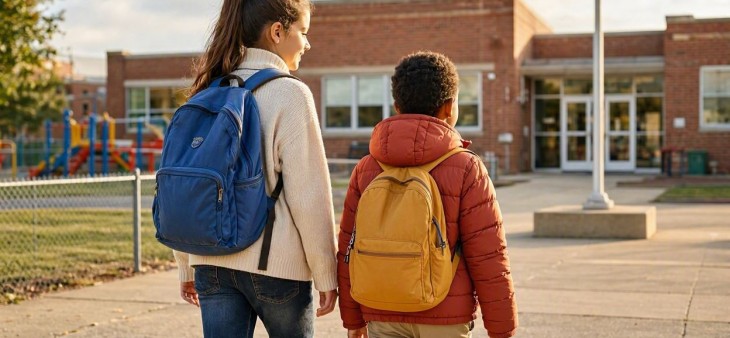
Back-to-school season brings new supplies and heavier backpacks. Many parents don’t realize how much backpack weight affects children. Growing spines are more vulnerable to strain than adult spines. Proper backpack habits protect your child’s posture and long-term spinal health.
Weight limits matter more than most parents expect. A backpack should never exceed ten percent of your child’s body weight. Heavier loads pull shoulders forward and strain the upper back. This strain often shows up as headaches or shoulder pain. Check your child’s backpack weight regularly throughout the school year.
Design
Backpack design also influences how weight distributes across the body. Wide, padded straps spread weight more evenly than thin straps. A padded back panel adds comfort and reduces pressure points. Waist straps help transfer weight to the hips instead of shoulders. These features make a real difference in daily comfort.
The way your child wears the backpack matters just as much. Both straps should stay on the shoulders at all times. One-strap carrying twists the spine and creates muscle imbalances. Encourage your child to use both straps consistently. This habit protects their developing posture over time.
Packing habits deserve attention too. Heavier items should sit close to the back, not the bottom. This placement keeps the center of gravity closer to the body. Loose organization inside the bag causes shifting weight during movement. Shifting weight increases strain with every step your child takes.
Warning Signs
Watch for warning signs that backpack weight is causing problems. Red marks on shoulders indicate straps are too tight or heavy. Complaints of back or neck pain shouldn’t be dismissed as normal. Difficulty putting on or removing the backpack signals excessive weight.
Chiropractic care supports children through these physical demands of school. Regular check-ups catch postural issues before they become chronic problems. Adjustments help address strain caused by daily backpack use. Consider a wellness visit as part of your back-to-school routine.
Protecting your child’s spine now supports their health for years to come.
